Tree Removal Services: Ensuring Safety and Aesthetic Appeal in Your Yard
Tree removal services are an essential part of keeping a yard safe and visually attractive. Overgrown, damaged, or diseased trees can pose significant risks to both property and individuals. Additionally, strategic tree removal can dramatically improve the overall aesthetics of a landscape. Knowing when and why these services are necessary empowers homeowners to make well-informed choices. What key elements should property owners weigh before undertaking tree removal?
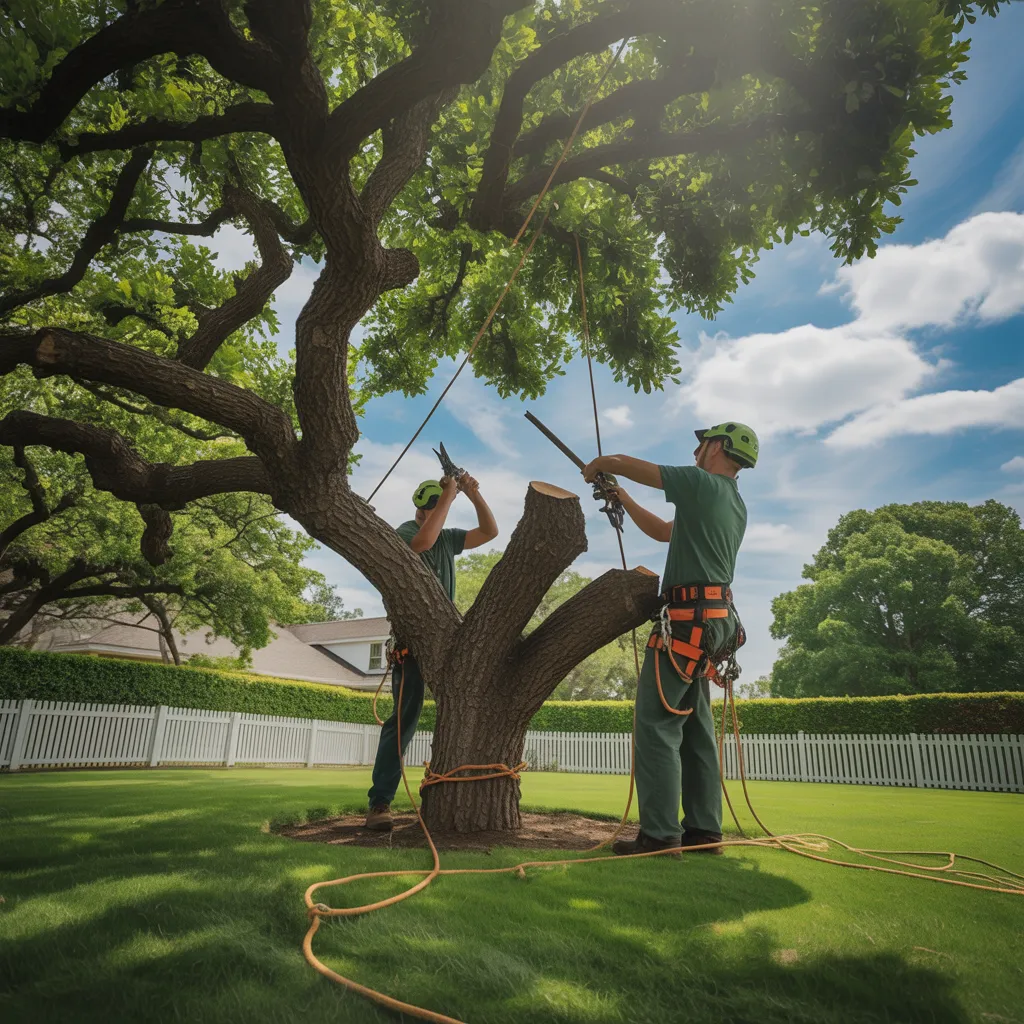
Understanding When Tree Removal Becomes Necessary
Moreover, natural elements, like root invasion of foundations or pathways, can require the tree to be removed. In addition, the broader aesthetic and space-related concerns in a yard may influence the decision. By examining these considerations, property managers can make informed choices regarding the removal of trees, guaranteeing the safety and aesthetic quality of their property.
Why Removing Trees Is Essential for Safety
When examining the security of a property, removing trees often becomes critical, particularly when trees pose risks to nearby structures or individuals. Deteriorating or overgrown trees can create substantial risks, like collapsing branches or complete trees falling during storms. Such events can inflict serious harm on homes, cars, and outdoor areas, as well as pose a risk to the safety of inhabitants and visitors.
Furthermore, trees infested with pests or diseases may damage their structural integrity, heightening the chance of unforeseen failures. In city environments, closeness to power lines greatly heightens the requirement for removal, as falling branches can interfere with electrical services and create perilous circumstances.
The Impact of Professional Tree Removal on Landscape Aesthetics
Professional tree removal substantially enhances landscape aesthetics by enhancing the visual harmony of exterior environments. By carefully eliminating oversized or poorly positioned trees, property owners can boost natural light penetration, fostering stronger growth in adjacent plant life. Furthermore, a carefully tended landscape commonly contributes to greater home value, rendering professional tree removal an excellent long-term investment.
Enhanced Visual Harmony
A carefully tended landscape typically requires the careful balance of its elements, and tree removal can play a pivotal role in achieving this harmony. When certain trees grow too large for or fall out of sync with the overall design, they can disturb the natural rhythm of the yard. Skilled tree removal allows homeowners to reconfigure views and develop a more unified visual appeal. This process can enhance the prominence of existing features, such as planted areas or landscape structures, allowing them to shine without competition from unruly foliage. Furthermore, the removal of diseased or deteriorating trees can eliminate unsightly disorder, contributing to a more refined aesthetic. Ultimately, carefully planned tree removal fosters a feeling of structure, improving the elegance and allure of the overall landscape.
Increased Sunlight Exposure
Although trees offer shade and shelter, too much canopy coverage commonly causes decreased natural light in outdoor spaces. Skilled tree removal can substantially boost the attractiveness of outdoor environments by enabling more sunlight to filter through. Increased sunlight fosters healthier grass and plants, promoting vibrant colors and growth. In addition, it can establish a more welcoming environment, giving outdoor areas a more spacious and open feel. This transformation can also highlight architectural features of the home and improve the overall visual balance of the landscape. With the thoughtful elimination of certain trees, property owners can accomplish a pleasing balance of foliage and sunlight, enriching the experience of their outdoor surroundings.
Enhanced Property Value
Professional tree removal can substantially increase property value by elevating landscape aesthetics. Once dead, diseased, or overcrowded trees have been cleared, homeowners can develop a more open and appealing outdoor area. This not only promotes improved sunlight exposure but also highlights the surrounding vegetation, giving the yard a more polished and appealing look. Skilled tree removal professionals make certain that trees are taken down safely and efficiently, protecting adjacent structures from potential damage. Furthermore, a properly maintained landscape can elevate curb appeal, making properties more attractive to prospective buyers. Through investing in expert tree removal, homeowners can substantially enhance the visual attractiveness of their outdoor spaces, ultimately driving an increase in total property value and desirability.
What You Should Look for in a Tree Removal Service
When choosing a tree removal service, what attributes should one look for to ensure a successful and smooth process? Initially, confirm the company's qualifications, including proper insurance and valid licensing. This ensures the service is credible and shields against possible liability issues. Additionally, assess the proficiency and background of the staff. An experienced crew can properly evaluate the circumstances and complete the removal without harming nearby structures.
In addition, feedback and testimonials from past clients help gauge the service provider's reliability and workmanship. A credible service should also present well-defined and comprehensive estimates and a transparent process, outlining potential risks and strategies. Finally, seek information regarding safety procedures and machinery applied during the removal process. Considering these key qualities can result in a more seamless experience, confirming that the tree is removed efficiently while upholding safety and professionalism during the entire process.
Yard Care Tips After Tree Removal
After tree removal, homeowners ought to concentrate on restoring the landscape to restore its aesthetic appeal and health. The primary step includes assessing the space for residual roots or waste material, that can impede the growth of new vegetation. Removing any remaining stump or wood chips is vital to prevent pest infestations and create space for new plants.
Next, property owners should evaluate soil health. Testing the soil can uncover nutrient deficiencies, making it possible to apply appropriate amendments to promote the establishment of new plants. Choosing native or well-adapted species for replanting can assist in preserving the ecological balance and enhance the yard's beauty. Mulching around new plants helps retain soil moisture while keeping weeds at bay.
Regular watering and monitoring for pests are critical in the initial growth phase. Furthermore, creating a regular maintenance schedule, which includes scheduled pruning and fertilization, helps foster a thriving outdoor space. By implementing these recommendations, homeowners can guarantee their yards thrive after tree removal.
Debunking Myths About Tree Removal Services
Within the realm of tree removal services, various misunderstandings often surface that can mislead homeowners. These misconceptions frequently ignore important factors such as safety concerns and the ecological consequences of removing trees. Through examining these widespread misconceptions, greater insight into professional tree removal practices can be achieved.
Frequently Misunderstood Concepts Clarified
Misconceptions about tree removal services often cloud public understanding, leading to hesitation in seeking professional help. A common misconception is that tree removal is inherently hazardous and must only be handled by certified professionals. While it's true that safety is paramount, a variety of trees can be handled effectively with appropriate techniques and gear. Another misconception is that tree removal guarantees increased property value; however, this is not always the case and depends on various factors. Furthermore, many assume that tree removal leaves behind a desolate landscape, yet professional services can significantly improve outdoor appeal with thoughtful design. In the end, dispelling these misconceptions empowers homeowners to pursue tree removal services with confidence and clarity.
Safety Hazards Overlooked
Despite the common belief that tree removal is a simple process, many homeowners overlook the hazards involved. The process is more than just cutting down a tree; it requires expertise to address potential hazards such as falling branches, electrical lines, and unstable ground. Untrained individuals often ignore these dangers, causing injuries or property damage. Furthermore, the use of heavy equipment requires specific knowledge to use without incident. False beliefs continue that hiring professionals is not required, yet experienced tree removal services are outfitted with the right tools and safety protocols to reduce dangers. Ignoring these safety concerns can have dire consequences, making it critical for homeowners to recognize the complexities of tree removal before trying it on their own.
Myths About Environmental Impact
Although many assume that tree removal inevitably has a negative impact on the environment, this viewpoint frequently neglects key considerations. When conducted properly, tree removal can foster ecological stability. To illustrate this point, removing dead or diseased trees prevents the spread of pests and diseases, safeguarding surrounding flora. Furthermore, strategic tree removal can enhance sunlight exposure for healthier plants and improve soil quality by reducing competition for nutrients. What is more, when trees are removed, sustainable practices such as replanting or landscaping with native species can lead to improved biodiversity. Myths suggesting that all tree removal is detrimental ignore the potential benefits of thoughtful intervention, proving that tree removal, when handled responsibly, can make a constructive environmental impact. Understanding these nuances is essential for informed decision-making regarding tree care.
Frequently Asked Questions
How Much Does It Usually Cost to Remove a Tree?
Tree removal services generally run from $300 to $2,000, depending on factors such as tree size, location, and complexity of the job. You may also incur additional costs for stump grinding or difficult access situations.
Is Tree Removal Covered by Homeowners Insurance?
Tree removal might be part of homeowners insurance, subject to the policy specifics and why the removal is needed. It's essential for property owners to carefully examine their policies and reach out to an insurance representative for clarity.
How Long Does the Tree Removal Process Take?
The process of tree removal generally requires several hours up to a full day, based on the tree's complexity, size, and specific location. Elements such as the availability of crew and equipment can also affect the duration.
Can I Remove a Tree Myself?
Removing a tree personally is possible, but it necessitates substantial know-how, competence, and protective steps. Numerous elements, such as the tree's size and placement, affect the choice. Hiring a professional is commonly suggested to secure essential guide safety and appropriate technique.
What Permits Do You Need for Tree Removal?
Municipal rules often dictate the permits needed for tree removal. Generally, property owners must review municipal guidelines, as permits could be needed for specific tree species, dimensions, or if the tree is located in designated protected zones.